Imagine casting a line surrounded by the breathtaking beauty of Yosemite National Park, with its towering granite cliffs, cascading waterfalls, and crystal-clear waters teeming with trout. Fly fishing in Yosemite offers not only world-class fishing opportunities but also an unforgettable experience in one of the most iconic national parks in the United States. In this guide, we’ll explore premier fly fishing spots, essential gear, and flies, the best times to visit, and helpful local resources to make your Yosemite fishing adventure a success.
Key Takeaways
- Explore Yosemite’s premier fly fishing spots for wild Rainbow, Brook, Golden & Brown trout!
- Pack the right flies and gear to make your trip a success.
- Check regulations and book in advance for lodging or guided trips.
Exploring Yosemite's Premier Fly Fishing Spots
Yosemite National Park is a destination for world-class fishing, as its rivers, creeks, and lakes offer varied opportunities for fly fishing. Whether you’re advanced or just starting on your angling journey, the park can accommodate all levels of expertise.
When thinking about Yosemite’s remarkable locations, a few spots come to mind: the Merced River, Tuolumne River, and Lyell Fork, each abounds with fish. And the views can't be beaten!
Tuolumne River: Rainbows, Brookies & Brown Trout
The Tuolumne River has its beginning in Tuolumne Meadow. At approximately 8600 ft., it is the largest sub-alpine meadow in the Sierra Nevada. The Tuolumne River flows through the tall grasses of Tuolumne Meadows. Native Rainbow Trout, Brookies, and Brown Trout inhabit this section of the river. The Brown Trout here grow to approximately 14 inches. Dry fly fishing is the best and most exciting technique in the meadow section. If the fish don't spook they'll readily accept most standard dry flies. (size 16" - 22") Matching the hatch is not necessary here, but the fish will become selective when there is a good hatch in progress. In the evenings, starting in June and running through early October, the fish will key on the pale morning dun hatch. Small yellow stoneflies (yellow sallies) also show themselves at this time of year. Several species of caddisflies also inhabit this section of the river and can generate a lot of activity in the evenings. Only artificial lures or flies with barbless hooks are allowed in Yosemite National Park. (No bait fishing, i.e. worms, live or dead minnows, bait fish, etc.)

Dana Fork: Rainbow, Brook & Brown Trout
The Dana and Lyell Forks converge to form the main Tuolumne River. Dana Fork waters originate from 13,100' Mount Dana. The Dana Fork is very accessible as Highway 120 runs right alongside its entire course from its headwaters at Tioga Pass to its confluence with the Lyell Fork. Rainbow, Brook, and Brown Trout are present throughout, with the Browns being the most numerous, sometimes reaching a foot in length.

Lyell Fork: Numerous Wild Trout - Rainbow's & More
The Lyell Fork originates near 13,115' Mount Lyell and flows 10 miles downstream through Lyell Canyon, where it meets the Dana Fork to form the Tuolumne River. There is no road access here, except at the lower end, but the river is accessible via the PCT (John Muir Trail), which runs its entire length. Although the trail is highly traveled, very few are there to fly fish. The Lyell Fork has a healthy population of Wild Trout, with more Browns in the lower section and more Brook Trout found towards the headwaters. The Rainbow Trout are usually in the faster-moving sections. The Lyell Fork offers fantastic dry fly action. With a good presentation, the fish will rise to most of your attractor patterns (14" - 20"), like Humpies, Elk Hair Caddis, Adams, and Royal Wulffs. Again, stealth is more vital than matching the hatch here.

Merced River - Inside Park: 3 to 1 Rainbows to Browns
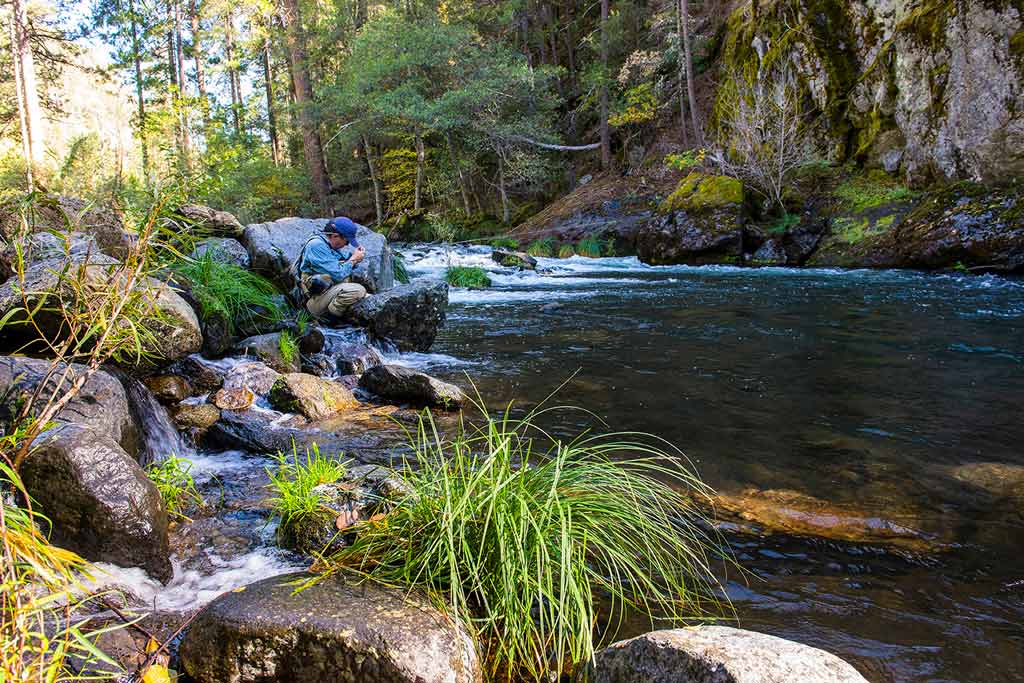
The Merced River is the most well-known river in Yosemite, as this is the river that flows through Yosemite Valley. Yosemite Valley is one of the most picturesque places on earth and has much to offer any fly fisherman. The vast majority of my experience has been downstream from Yosemite Valley, where the river changes from long, slow-moving pools to pocket water and deep runs for a mile or so before heading down the Merced Gorge. The gorge is roughly 8 miles long, and although Hwy 140 runs parallel to the river, there are very few turnouts. Where there's access, the canyon walls are very steep and rocky. Upon reaching the water the going is anything but easy. Huge boulders and log jams litter the river bottom. I like to wet-wade this section starting in late June or early July after the runoff waters recede. I have fished this area numerous times and have very rarely ever seen another fly fisherman. The catch here will usually run 3 to 1 Rainbows to Browns. Hatches will include small BWOs during warm days in late January and February. The first Golden Stoneflies will appear in February, also. With the days of February growing longer, the water will start to warm and we will start getting our first decent action of the year.
South Fork - Merced River: Rainbows, Browns & Brookies
The South Fork of the Merced is the first water encountered upon entering the park from the southern entrance. The South Forks originates in the Chain Lakes area and then flows 30 miles east to west to its confluence with the main Fork. The most accessible area is in Wawona, with Highway 41 following the river downstream for a couple of miles and access roads on both sides of the river heading upstream for a few miles. The road on the south side of the river will lead you to the "Swinging Bridge" area. There's a trail here heading up a mile or so before disappearing into the South Fork Canyon. There is a large trout population in the South Fork. However, they only average around 6 inches. In the Wawona area, the trout are all Rainbows and Browns, which give way to Brook Trout in the higher reaches. The South Fork is not a very fertile stream, but there are some early-season Stoneflies (size 14 - 16) (fly shown above), and different Mayfly hatches after the spring runoff recedes. The fish aren't too selective but will more easily spook when the water gets very low in the fall. This is a great fishing location for the beginning fly fisherman in the late spring and early summer.
Essential Gear and Flies for a Yosemite Fly Fishing Trip
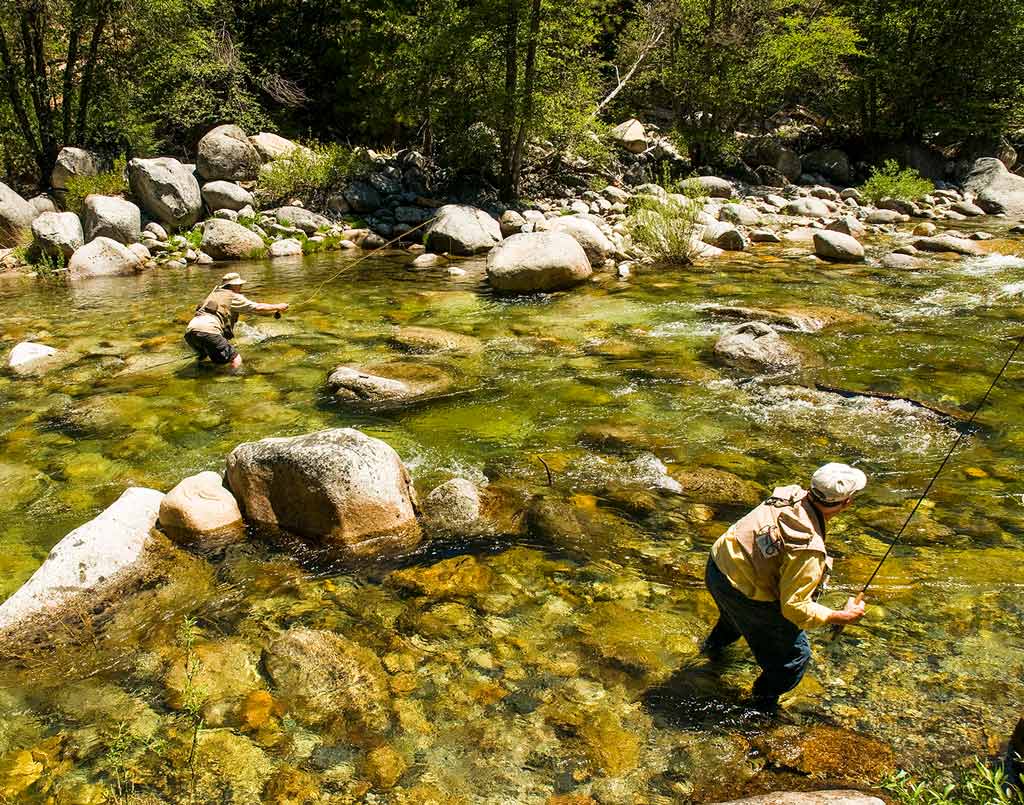
For successful fly fishing in Yosemite National Park, it’s essential to bring along the right equipment and flies. Here are some crucial pieces of gear to consider as well as top-notch flies that will certainly increase your odds of catching plenty of fish. Keep reading to learn what they are!
Gear Recommendations
When preparing for a fly fishing trip to Yosemite, carefully choose the best gear and flies. A 9-foot 5wt rod with a floating line and tippet sizes from 3X to 5X and a click-and-pawl reel are ideal options when it comes to tackling different kinds of fish in varying conditions. It's also a great idea to get in touch with local guides or shops for up-to-date information. They're likely your best source for advice and are in the know about current hatches and conditions.

Top Flies for Catching Yosemite Trout
Fly fishing in Yosemite can be very rewarding, but you'll want to bring the right flies along for a great trip. Imitating aquatic insects with nymphs, dry flies, and streamers is a great approach to catching all sorts of trout. Locally recommended top picks for successful fly fishing include Adams and Elk Hair Caddis (14" - 20"). Want to learn more about what trout eat? Read more here.

Timing Your Yosemite Fly Fishing Adventure
For the ultimate Yosemite fly fishing excursion, it's important to choose not only suitable equipment and lures but also the best time of year to visit.
Fishing Season and Regulations
Stream and river fishing in Yosemite is open from the last Saturday of April until November 15th, giving anglers plenty of time to cast their lines. Frog Creek opens June 15th. All other lakes and reservoirs are open year-round. All fishermen should check with the National Park Service and California Department of Fish and Wildlife for current regulations on fish size limits, use of flies or lures, as well as fly fishing techniques, like using barbless hooks instead of lead weights. Or enlist the help of a knowledgeable and experienced guide.
Best Months for Fly Fishing in Yosemite
Many consider the fishing season in Yosemite National Park to be at its best during late June to July, when the snow runoff makes for optimal conditions, diverse trout populations, and peak activity. Visitors can enjoy access to many top fishing spots while experiencing all the valley has to offer surrounded by natural beauty in full bloom. But you can fish parts of Yosemite year-round. Lure or fly casting using only artificial lures adds an exciting challenge even year-round anglers can appreciate as they explore great fishing opportunities within one of America’s most beloved parks!


Local Resources: Fly Shops, Guides, and Accommodations
For the most successful fly fishing experience at Yosemite National Park, having access to knowledgeable and reliable local guides as well as accommodations is vital. It can make all the difference! Here, let's talk about this in more detail:
Trusted Fly Shops and Guides
To guarantee a noteworthy fly fishing experience in Yosemite you may want to think about participating in an arranged trip or getting professional guidance. Yosemite fly fishing guides specialize in fly fishing within Yosemite National Park, offering guided fly fishing trips for all experience levels.
Here at Sierra Fly Fisher, we're proud and honored to have had the privilege of teaching and guiding anglers for nearly 25 years. And we're still going strong! Our guides will provide you with a comprehensive experience and ample fly-fishing opportunities. Beyond catching fish (of course, that's the main goal) we can't wait to teach you the ins and outs of fly fishing.
We'll offer valuable advice on what gear to take, proper casting techniques, and how best to fish in various conditions at local hotspots across the park. You'll learn how to "read" the water. We believe in offering a true learning experience beyond what's typically offered. If this appeals to you, we'd love to hear from you. And of course, quality tackle is a must. While you're in the area, be sure to stop by Yosemite Rivers Fly Shop, our full-service fly shop. Our shop is located at 0827 Highway 41 Oakhurst, CA 93644.
Lodging and Camping Options
Yosemite National Park offers various options for comfortable and enjoyable fly fishing holidays, such as hotels, lodges, cabins, campgrounds, or even backcountry camping.
No matter where you choose to stay, we highly recommend that you make your booking early, especially if you're visiting during peak season. The last thing you want is to miss out on booking the spot you were hoping to stay.

Navigating Yosemite's Fishing Regulations
It's critical to understand and observe the fishing regulations for Yosemite when going on a fly fishing adventure. Pay heed to park rules and weather conditions. Looking for Yosemite fly fishing information and regulations? The National Park Service website offers the necessary information to ensure a successful fly fishing excursion in Yosemite. It includes detailed regulations for obtaining relevant permits and licenses, as well as all state-wide rules relating to fishing within its boundaries. This way, visitors can familiarize themselves with everything they need to know before setting out while simultaneously helping preserve the area’s natural beauty by adhering to guidelines meant to conserve it.
California State Fishing Licenses
Before embarking on your fly fishing trip to Yosemite National Park, make sure you have a California state fishing license if you are 16 years old or above. No extra permits are required specifically for angling in the park.
Licenses can be attained at multiple points across the state, like shops and general stores, as well as online. With an appropriate permit ready for use, you're well on your way to taking advantage of the unbeatable fishing opportunities that abound in Yosemite!
To Wrap It Up
Fly fishing in Yosemite National Park allows anglers to catch many species of trout while enjoying some of the most breathtaking views in America. By researching the best fly fishing spots (such as the Merced River and Dana Fork), picking up suitable gear, timing it correctly, and gaining knowledge from a trusted guide - you’re sure to be prepped and ready for a remarkable time!
Interested in our other hosted trips? Take a look:
- San Joaquin river
- Kings River
- Sequoia & Kings Canyon National Parks
- West Yellowstone
- Hawaii’s Oahu island
- Winter Options
Did you enjoy this? You'll probably like our Ultimate Guide to Flyfishing California!
Frequently Asked Questions
---
Can you fly fish in Yosemite?
Absolutely. Fishing in Yosemite is a dream for many fly fishers, with its stunning scenery and numerous fishing options. The area boasts perfect conditions, from peaceful pools to deep runs, making it ideal for fly fishing. But keep in mind that stream and river fishing in Yosemite is only open from the last Saturday of April until November 15th. (In the winter, you can chase Steelhead and Trout in California's Central Valley.) Frog Creek opens June 15th. All other lakes and reservoirs are open year-round.
Is bait fishing allowed in Yosemite National Park?
No. Using minnows, worms, grubs, crickets, leeches, stink baits, insects, crayfish, human food, pet food, fish, fish eggs or any other bait is off-limits. Bait fishing is prohibited within the boundaries of Yosemite National Park, and they're pretty strict about it. Learn more about their fishing regulations here.
Is there trout fishing in Yosemite National Park?
Fishing in Yosemite National Park offers a variety of trout, from Rainbow Trout to Brook Trout, and even the California Golden Trout. It’s also possible to catch Brown Trout here!
What are the best spots for fly fishing in Yosemite National Park?
For those searching for excellent fly fishing locations in Yosemite, the Merced River, and the Tuolumne River are outstanding choices. Don’t forget Dana Fork, South Fork, or Lyell Fork. To make your fishing experience an outstanding one, consider hiring a professional guide. They can lead you to all of the best spots!
Interested in Yellowstone? Discover our hosted trip to Yellowstone here!
Start Planning Your Northern California Fly Fishing Trip Today
Get Started
Plan a fly fishing adventure of a lifetime. Secure your spot for a guided fly fishing trip in Yosemite, Sequoia and Kings Canyon National Parks, or the High Sierra, and immerse yourself in some of the most spectacular fishing grounds California has to offer!